
laat een bericht achter
Als u interesse heeft in onze producten en meer wilt weten, laat dan hier een bericht achter. We zullen zo snel mogelijk reageren.




De beste aankoop die ik deze winter heb gedaan! De kleur en het breiwerk zijn prachtig en hij zit heerlijk! Ik ben van New York naar Miami gereisd zonder hem ook maar één keer uit te doen. Echt superleuk!!
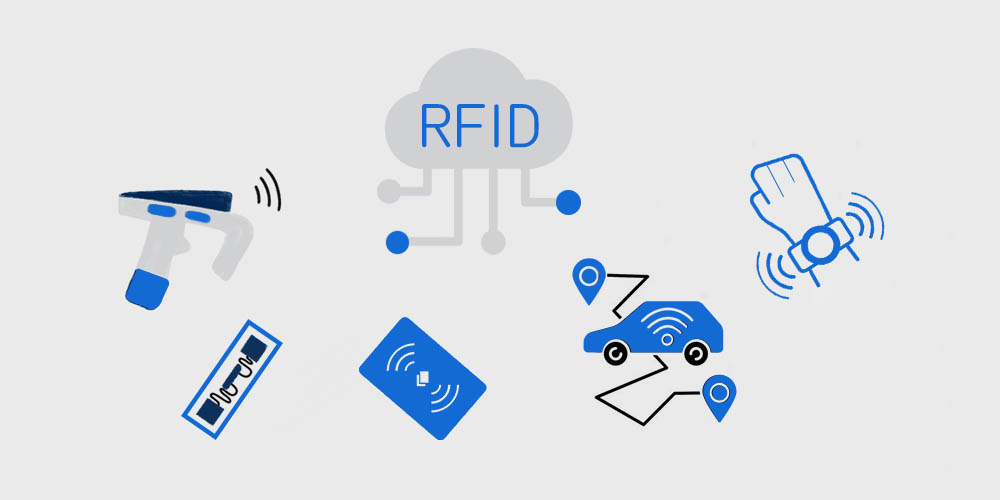
Naarmate industrieën steeds meer digitale transformatie omarmen, is Radio Frequency Identification (RFID)-technologie een essentieel hulpmiddel geworden voor het verbeteren van zichtbaarheid, efficiëntie en automatisering. Van de vele RFID-oplossingen die tegenwoordig beschikbaar zijn, ingebouwde RFID-lezers Ingebedde RFID-lezers krijgen steeds meer aandacht vanwege hun compacte ontwerp, flexibele integratiemogelijkheden en krachtige prestaties. In tegenstelling tot traditionele, losstaande RFID-lezers zijn ingebedde RFID-lezers ontworpen om direct te worden geïntegreerd in apparatuur, machines, kiosken, handheld apparaten en industriële systemen. Dit artikel onderzoekt de belangrijkste voordelen van ingebedde RFID-lezers en legt uit waarom ze een sleutelcomponent worden van moderne intelligente systemen.
Een ingebouwde RFID-lezer is een compacte RFID-module die in een ander apparaat of systeem kan worden ingebouwd. Deze module bevat doorgaans een RFID-leesmodule, een antenne-interface, communicatiepoorten en besturingsfuncties in een klein formaat. Ingebouwde lezers kunnen verschillende RFID-frequenties ondersteunen, waaronder LF RFID, HF RFID, En UHF RFIDafhankelijk van de toepassingsvereisten.
Deze lezers worden doorgaans geïntegreerd in:
Industriële automatiseringsapparatuur
Zelfbedieningskiosken
Toegangscontrolesystemen
Slimme lockers
Medische hulpmiddelen
Winkelterminals
Draagbare dataverzamelingsapparaten
Transportsystemen

Een van de belangrijkste voordelen van ingebouwde RFID-lezers is hun compact formaatTraditionele RFID-lezers vereisen vaak aparte installatieruimte, extra montagemateriaal en externe bekabeling. Ingebouwde lezers daarentegen zijn ontworpen om direct in bestaande apparaten te passen.
Dit ruimtebesparende ontwerp biedt diverse voordelen:
Gereduceerde voetafdruk van de apparatuur
Schoner systeemarchitectuur
Lagere installatiecomplexiteit
Verbeterde productesthetiek
Meer flexibiliteit voor fabrikanten van apparaten
Fabrikanten van slimme lockers kunnen bijvoorbeeld een ingebouwde UHF RFID-lezer rechtstreeks in de lockerdeur of het bedieningspaneel integreren zonder omvangrijke externe componenten toe te voegen.

Ingebouwde RFID-lezers zijn specifiek ontworpen voor systeemintegratieDe meeste modules ondersteunen standaard communicatie-interfaces zoals:
Deze interfaces stellen ontwikkelaars in staat de lezer te verbinden met microcontrollers, industriële pc's, PLC's, Android-apparaten en cloudgebaseerde beheerplatformen. Het integratieproces is doorgaans sneller en kosteneffectiever dan het implementeren van een op zichzelf staande RFID-infrastructuur.
Hoewel de initiële kosten van de module kunnen variëren, helpen ingebouwde RFID-lezers vaak om de kosten te verlagen. totale eigendomskostenKostenbesparingen komen voort uit verschillende gebieden:
Minder externe hardware
Minder bekabeling nodig
Vereenvoudigde installatie
Lagere onderhoudskosten
Lager energieverbruik
Kleinere behuizingsvereisten
Voor fabrikanten van apparaten die grote hoeveelheden apparatuur produceren, kunnen deze besparingen aanzienlijk zijn.

Omdat ingebouwde RFID-lezers in het apparaat zelf zijn geïnstalleerd, zijn ze over het algemeen beter beschermd tegen omgevingsfactoren zoals:
Stof
Vocht
Trilling
Mechanische impact
Ongeautoriseerde manipulatie
Deze verbeterde bescherming leidt tot een grotere operationele betrouwbaarheid, met name in veeleisende industriële omgevingen. Veel ingebouwde RFID-modules zijn ontworpen voor continu gebruik en kunnen zware productieomstandigheden doorstaan.
Ingebouwde RFID-lezers maken het mogelijk realtime data-acquisitieOmdat de lezer rechtstreeks met het hostsysteem is verbonden, kunnen taggegevens direct worden verwerkt zonder extra communicatielagen.
Dit is met name waardevol in toepassingen zoals:
Productielijn volgen
Magazijnautomatisering
Vermogensbeheer
Transportbandsystemen
Geautomatiseerd sorteren
Voertuigidentificatie
Realtimeverwerking helpt organisaties bij het verbeteren van de besluitvorming en de operationele responsiviteit.

Ingebouwde RFID-lezers spelen een cruciale rol in Industrie 4.0 en intelligente automatisering. Deze technologieën stellen machines en systemen in staat om automatisch objecten te identificeren, bewegingen te volgen en acties te initiëren zonder menselijke tussenkomst.
Voorbeelden zijn:
Automatische voorraadupdates
Gereedschapsidentificatie in fabrieken
Patiëntidentificatie in ziekenhuizen
Zelfscansystemen in de detailhandel
Slim parkeerbeheer
Geautomatiseerde toegangscontrole
Door handmatig scannen en invoeren van gegevens te elimineren, kunnen bedrijven de efficiëntie aanzienlijk verbeteren en menselijke fouten verminderen.

Voor OEM- en ODM-fabrikanten bieden ingebouwde RFID-lezers uitzonderlijke ontwerpflexibiliteit. De module kan, afhankelijk van de specifieke eisen, in maatwerkproducten worden geïntegreerd.
Fabrikanten kunnen kiezen uit:
Lezersfrequentie
Uitgangsvermogen
Antenneconfiguratie
Communicatieprotocol
Firmwarefuncties
Fysieke afmetingen
Deze flexibiliteit stelt bedrijven in staat om gespecialiseerde RFID-producten te ontwikkelen die aansluiten op de specifieke behoeften van de markt.

Doordat de RFID-functionaliteit in het apparaat zelf is ingebouwd, ervaren gebruikers vaak een soepelere ervaring. Ze hoeven niet met aparte lezers of externe apparatuur te werken.
Bijvoorbeeld:
Bibliotheekgebruikers kunnen boeken op een balie plaatsen voor automatische identificatie.
Medewerkers kunnen beveiligde ruimtes betreden door simpelweg een badge te tonen.
Klanten kunnen snel afrekenen via de zelfscankassa.
Patiënten kunnen tijdens behandelprocedures automatisch worden geïdentificeerd.
Dit gemak verbetert de klanttevredenheid en de operationele efficiëntie.

Veel ingebouwde RFID-lezers zijn geoptimaliseerd voor laag energieverbruikwaardoor ze geschikt zijn voor apparaten op batterijen en mobiele apparaten.
Toepassingen zijn onder andere:
Draagbare terminals
Handheld lezers
Slimme kasten
IoT-sensoren
Mobiele medische apparatuur
Autonome robots
Een lager energieverbruik verlengt de levensduur van de batterij en verlaagt de bedrijfskosten.
Ingebouwde RFID-lezers worden steeds vaker gebruikt als onderdeel van Internet der Dingen ecosystemen. Ze leveren nauwkeurige identificatiegegevens die kunnen worden doorgegeven aan cloudplatformen, analysesystemen en bedrijfssoftware.
In combinatie met technologieën zoals:
Geïntegreerde RFID-lezers helpen bij het creëren van intelligente, verbonden omgevingen die geavanceerde automatisering en voorspellende besluitvorming mogelijk maken.

De voordelen van ingebouwde RFID-lezers hebben geleid tot een wijdverspreide toepassing in vele sectoren.
Patiëntidentificatie
Medicatieregistratie
Medisch activabeheer
Zelfscankassa
Voorraadbeheer
Verliespreventie
Realtime voorraadbeheer
Geautomatiseerd sorteren
Verzending verificatie
Tracking van de voortgang
Hulpmiddelenbeheer
Kwaliteitstraceerbaarheid
Voertuigidentificatie
Elektronische tolheffing
Slim parkeren
Geïntegreerde RFID-lezers bieden een krachtige combinatie van Compact ontwerp, eenvoudige integratie, lagere kosten, hoge betrouwbaarheid, realtime prestaties en automatiseringsmogelijkheden.Naarmate bedrijven steeds meer streven naar hogere efficiëntie en digitale transformatie, wordt ingebouwde RFID-technologie een essentiële bouwsteen voor intelligente systemen.
Of ze nu worden gebruikt in de productie, logistiek, gezondheidszorg, detailhandel of slimme steden, ingebouwde RFID-lezers bieden organisaties de tools die nodig zijn om de zichtbaarheid te verbeteren, handarbeid te verminderen, de nauwkeurigheid te verhogen en toekomstige IoT-ontwikkelingen te ondersteunen. Hun veelzijdigheid en schaalbaarheid maken ze tot een van de meest waardevolle RFID-oplossingen die beschikbaar zijn in het snel evoluerende technologische landschap van vandaag.
Voor bedrijven die RFID-producten willen ontwikkelen of geavanceerde automatiseringssystemen willen implementeren, vormen ingebouwde RFID-lezers een flexibele en toekomstbestendige investering die aanzienlijke operationele en concurrentievoordelen kan opleveren.

Gedetailleerde informatie en PDF

Contact via e-mail voor ondersteuning.

Professionele technische begeleiding.

Contact via e-mail voor ondersteuning.



LINK

YouTube

laat een bericht achter
Scan de scan naar WeChat/WhatsApp :



 IPv6 NETWERKONDERSTEUNING