
laat een bericht achter
Als u interesse heeft in onze producten en meer wilt weten, laat dan hier een bericht achter. We zullen zo snel mogelijk reageren.




De beste aankoop die ik deze winter heb gedaan! De kleur en het breiwerk zijn prachtig en hij zit heerlijk! Ik ben van New York naar Miami gereisd zonder hem ook maar één keer uit te doen. Echt superleuk!!
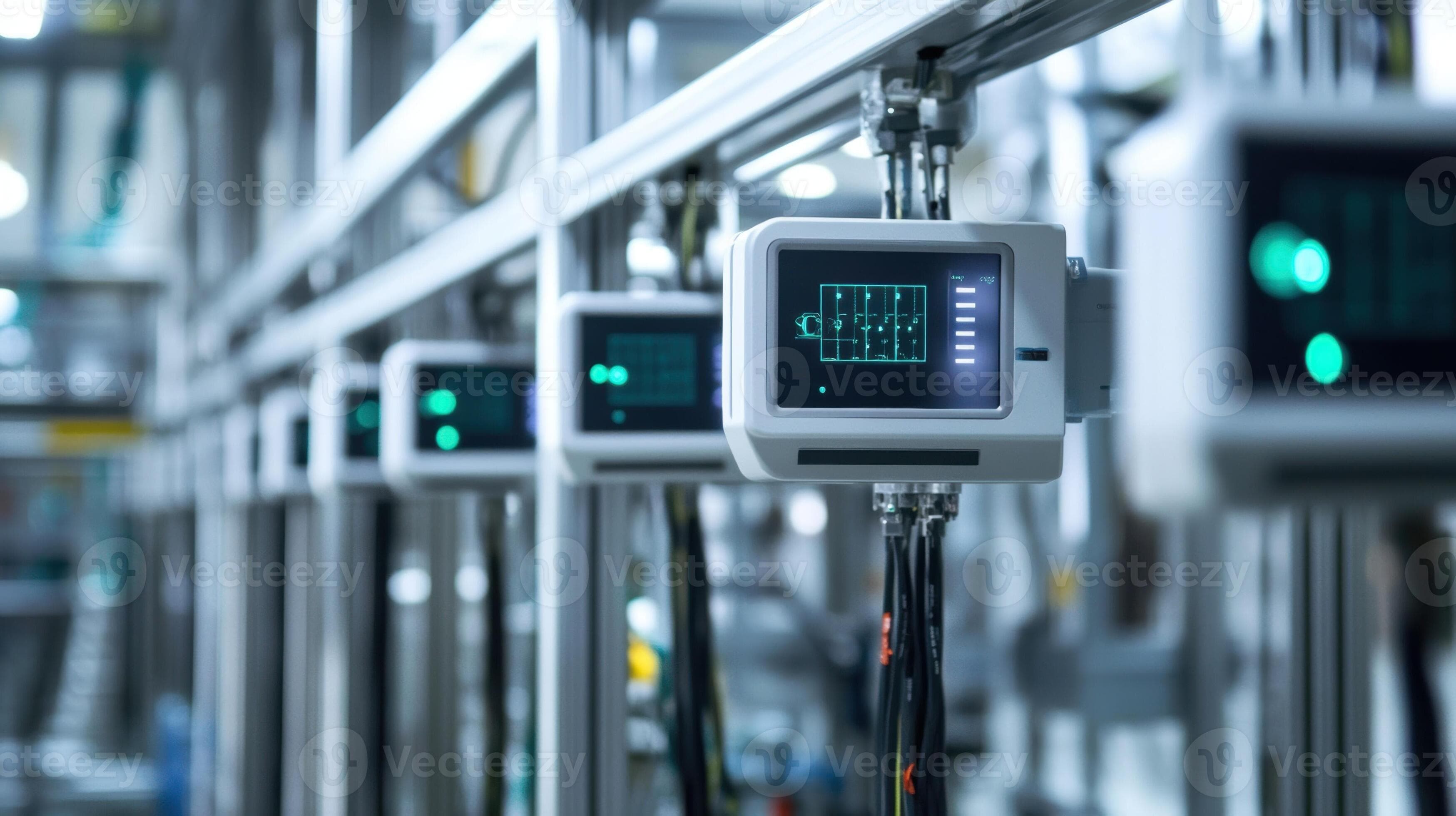
Naarmate de productie steeds intelligenter en preciezer wordt, worden er steeds hogere eisen gesteld aan het beheer van de productielijn. Bedrijven moeten niet alleen de productie-efficiëntie verbeteren, maar ook een stabiele en beheersbare productkwaliteit garanderen en volledige procestransparantie bereiken, van grondstoffen tot eindproducten. In traditionele productiemodellen zijn productielijnregistraties echter vaak afhankelijk van handmatige invoer, papieren documenten of barcodescans. Dit leidt tot een lage efficiëntie, gemiste gegevens, onjuiste invoer en vertraagde informatie-updates, wat uiteindelijk de algehele operationele prestaties beïnvloedt.
Vooral in productieomgevingen met meerdere processen, batches en grote schaal is het nauwkeurig volgen van elke productiefase, het tijdig identificeren van afwijkingen en het realiseren van snelle kwaliteitscontrole een dringende uitdaging geworden voor productiebedrijven. RFID-technologie (Radio Frequency Identification), met zijn voordelen van contactloze automatische identificatie, batchlezing en realtime gegevensverzameling, ontwikkelt zich tot een belangrijk hulpmiddel voor het visualiseren en beheren van productielijnen.
Door RFID-tags aan grondstoffen, halffabrikaten, gereedschappen of de producten zelf te bevestigen, kunnen bedrijven automatische identificatie en informatieverzameling gedurende het gehele productieproces realiseren. Wanneer een product een nieuw proces ingaat, registreren RFID-lezers automatisch de taginformatie en belangrijke gegevens zoals verwerkingstijd, operator, apparaatnummer, procesparameters en inspectieresultaten. Deze informatie wordt zonder handmatige tussenkomst geüpload, wat de nauwkeurigheid en het realtime inzicht in de gegevens aanzienlijk verbetert.
RFID helpt bedrijven bij het volgen van processen om een volledig transparant beheer te realiseren. In traditionele werkplaatsen hebben managers vaak moeite om precies te weten in welk stadium een product zich bevindt, of er vertragingen, herwerk of abnormale stilstanden zijn. Met RFID-systemen kunnen productiemanagementplatforms de realtime status van elk product weergeven, inclusief het huidige werkstation, de voortgang van de voltooiing en de geschatte levertijd. Via visualisatiedashboards en back-endsystemen kunnen managers snel knelpunten in processen identificeren, de toewijzing van middelen tijdig aanpassen en het algehele productieritme verbeteren.
In de auto-onderdelenindustrie doorloopt een motoronderdeel bijvoorbeeld vaak meer dan tien bewerkingsstappen. Door RFID-tags aan pallets of werkstukken te bevestigen, werkt het systeem de productiegegevens automatisch bij na elk voltooid proces. Managers krijgen zo een duidelijk beeld van de productievoortgang, kunnen de tijdsduur van elk proces analyseren, inefficiënte stappen identificeren en workflows continu optimaliseren.
Wat betreft traceerbaarheid van de kwaliteit biedt RFID nog meer waarde. Problemen met de productkwaliteit ontstaan vaak niet in de laatste fase, maar worden veroorzaakt door verborgen problemen in eerdere processen. Traditionele traceerbaarheidsmethoden vereisen uitgebreide handmatige controle van gegevens, wat tijdrovend en vaak onnauwkeurig is. RFID-systemen kunnen complete productiegegevens gedurende de gehele levenscyclus bewaren, waardoor bedrijven snel de oorzaak kunnen achterhalen zodra er een kwaliteitsprobleem optreedt.
Als bijvoorbeeld een productbatch functionele defecten vertoont, kan het systeem via RFID-tags snel de productiegegevens opvragen, waaronder batchnummers van de grondstoffen, verwerkingsapparatuur, operators, productietijd en resultaten van kwaliteitscontroles. Dit maakt een nauwkeurige identificatie van het problematische proces mogelijk, waardoor de onderzoekstijd aanzienlijk wordt verkort en grootschalige productterugroepacties worden voorkomen, met minimale verliezen tot gevolg.
In de elektronica-industrie is deze mogelijkheid bijzonder belangrijk. Tijdens de productie van printplaten hebben factoren zoals soldeertemperatuur, assemblagevolgorde en testparameters direct invloed op de kwaliteit van het eindproduct. RFID-systemen kunnen deze cruciale procesdetails één voor één vastleggen, waardoor een echt "één item, één code, één bestand"-beheer mogelijk wordt en sterke dataondersteuning voor kwaliteitscontrole wordt geboden.
Bovendien kan RFID nauw geïntegreerd worden met MES (Manufacturing Execution System), ERP (Enterprise Resource Planning) en WMS (Warehouse Management System), waardoor interne informatiesilo's worden doorbroken en geïntegreerde samenwerking mogelijk wordt tussen productie, magazijnbeheer, logistiek en kwaliteitsmanagement. Van de aanvoer van grondstoffen in de werkplaatsen tot de productieplanning, opslag van eindproducten en verzending: alle processen kunnen worden beheerd via een uniform dataplatform, wat de digitaliseringsgraad van de onderneming verder verhoogt.
RFID speelt ook een belangrijke rol in personeels- en apparatuurbeheer. Het systeem kan bijvoorbeeld controleren of operators de vereiste autorisatie hebben voor specifieke processen, waardoor fouten door onbevoegd personeel worden voorkomen. Tegelijkertijd kan het de gebruiksfrequentie van apparatuur, onderhoudscycli en informatie over abnormale alarmen bijhouden, waardoor de uitvaltijd als gevolg van apparatuurstoringen wordt verminderd.
Het is belangrijk om te benadrukken dat RFID-technologie niet alleen geschikt is voor grote productiebedrijven. Naarmate de kosten van tags blijven dalen en de implementatie van systemen volwassener wordt, introduceren ook kleine en middelgrote fabrieken geleidelijk aan RFID voor lokale digitale upgrades. Dit geldt met name voor sectoren met hoge kwaliteitseisen, zoals de voedingsmiddelenindustrie, kledingproductie, medische apparatuur en precisiebewerking, waar RFID aanzienlijke verbeteringen in het beheer mogelijk maakt.
Bij de implementatie van RFID-projecten moeten bedrijven uiteraard rekening houden met hun daadwerkelijke behoeften. Verschillende productieomgevingen vereisen verschillende eigenschappen van de tags, zoals hoge temperatuurbestendigheid, bescherming tegen metaalinterferentie, waterdichtheid en stofbestendigheid. Ook de plaatsingslocaties van de lezers, de compatibiliteit van de systeeminterface en de bedieningsgewoonten van de medewerkers moeten zorgvuldig worden overwogen. Alleen door een wetenschappelijke planning kan de volledige waarde van RFID-systemen worden benut.
In de toekomst, met de voortdurende ontwikkeling van het industriële internet, kunstmatige intelligentie en digitale tweelingtechnologieën, zal RFID een nog centralere rol spelen in slimme productie. Het is niet alleen een hulpmiddel voor gegevensverzameling, maar ook een cruciale infrastructuur voor het bereiken van productietransparantie, beheersbare kwaliteit en intelligent management.
De essentie van productielijnvisualisatie is het vastleggen, analyseren en traceren van elke productiehandeling. RFID is de belangrijkste technologische ondersteuning om dit doel te bereiken. Door procesbewaking en kwaliteitstraceerbaarheid mogelijk te maken, kunnen bedrijven niet alleen de efficiëntie verbeteren en de kosten verlagen, maar ook sterkere kwaliteitsborgingssystemen opbouwen en het klantvertrouwen vergroten in een steeds competitievere markt.

Gedetailleerde informatie en PDF

Contact via e-mail voor ondersteuning.

Professionele technische begeleiding.

Contact via e-mail voor ondersteuning.



LINK

YouTube

laat een bericht achter
Scan de scan naar WeChat/WhatsApp :



 IPv6 NETWERKONDERSTEUNING